The newspaper business does not lend itself to retrospection. Reporters and editors are trained to look ahead, to see what’s coming — ideally, before any of our competitors do. Media organizations find value in reporting what’s new, first, and that treadmill never stops. On good days, it’s an endorphin-fueled workout. On bad days, it’s exhausting.
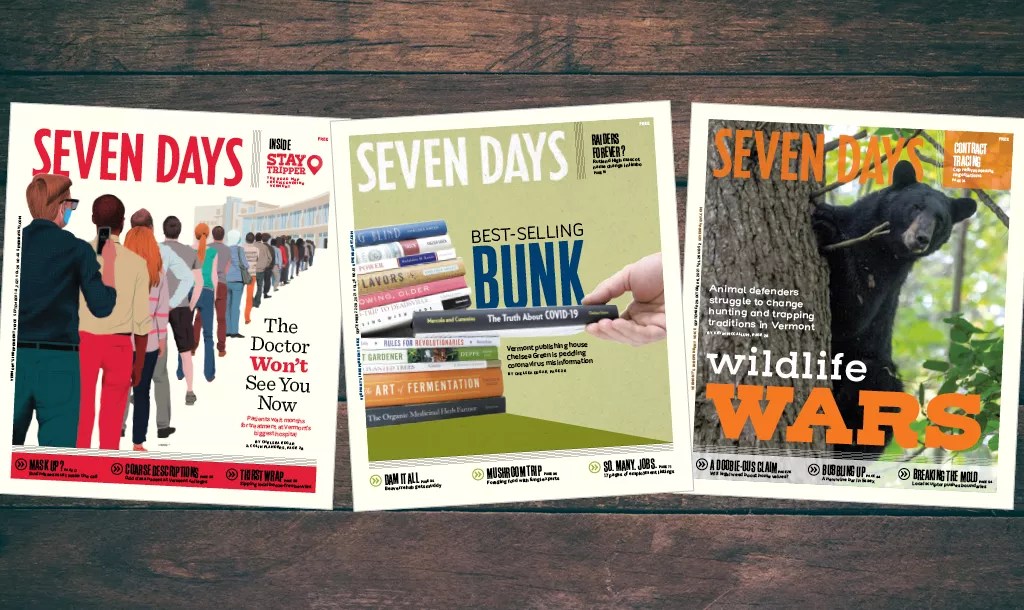
At the risk of misstep, I’m stealing a glance back to remind Seven Days readers of some of the important journalism we produced last month, starting with a September 1 cover story on the long and dangerous wait times for specialists at the University of Vermont Medical Center. Informed by rich personal anecdotes that real patients shared with reporters Colin Flanders and Chelsea Edgar, the story nudged the Vermont Agency of Human Services to launch a statewide investigation.
A few weeks later came another blockbuster cover by Edgar — an exposé on Vermont’s Chelsea Green Publishing and its strange decision to back a book written by Dr. Joseph Mercola, a leading source of coronavirus misinformation. A number of national outlets picked up our piece and, a few days after publication, YouTube banned Mercola and other anti-vaccine activists from its platform.
Meanwhile, Seven Days reporter Kevin McCallum was exploring a long-standing conflict that has been intensifying in rural Vermont between hunters and wildlife advocates. Particularly controversial is the practice of tracking animals using GPS-outfitted hounds. McCallum got up at 3:30 a.m. to tag along with a guy who spends almost half the year chasing bears. The resulting 5,500-word saga, last week’s “Wildlife Wars,” vividly described the scene in the forest — and in the boardrooms of the soon-to-be-leaderless Fish & Wildlife Department.
These are big, deeply reported pieces that you don’t often see in the pages of a weekly community newspaper. The quantity and quality of letters to the editor in this week’s issue suggest that readers all over the state are fully engaged. While Vermonters have come to expect nothing less of Seven Days, newcomers and visitors to the state are often floored — especially those with backgrounds in journalism who have seen the evisceration of local media outlets elsewhere.
“The most robust and journalistically ambitious weekly newspaper in the country” — that’s how John Nichols, national affairs correspondent for the Nation, described Seven Days in a tweet this summer.
More recently, another fellow emailed to say he found the paper to be “a truly remarkable publication for a city and area of this size.”
Want to keep it that way? Help fund our news gathering, culture seeking and fact-checking. As we like to say: Seven Days is free; making it isn’t. If you value what we do, please consider a financial contribution to support our efforts. Better yet, sign up to become a recurring monthly Super Reader. That reliable revenue will help keep the presses running — and our journalists employed — through the economic ups and downs of this strange pandemic period.
In return, we’ll keep the cover stories coming.
Related Stories

The Doctor Won’t See You Now: Patients Wait Months for Treatment at Vermont’s Biggest Hospital

Vermont Publishing House Chelsea Green Is Peddling Coronavirus Misinformation

Wildlife Wars: Animal Defenders Struggle to Change Hunting and Trapping Traditions in Vermont


This article appears in Oct 6-12, 2021.

Got something to say?
Send a letter to the editor and we'll publish your feedback in print!