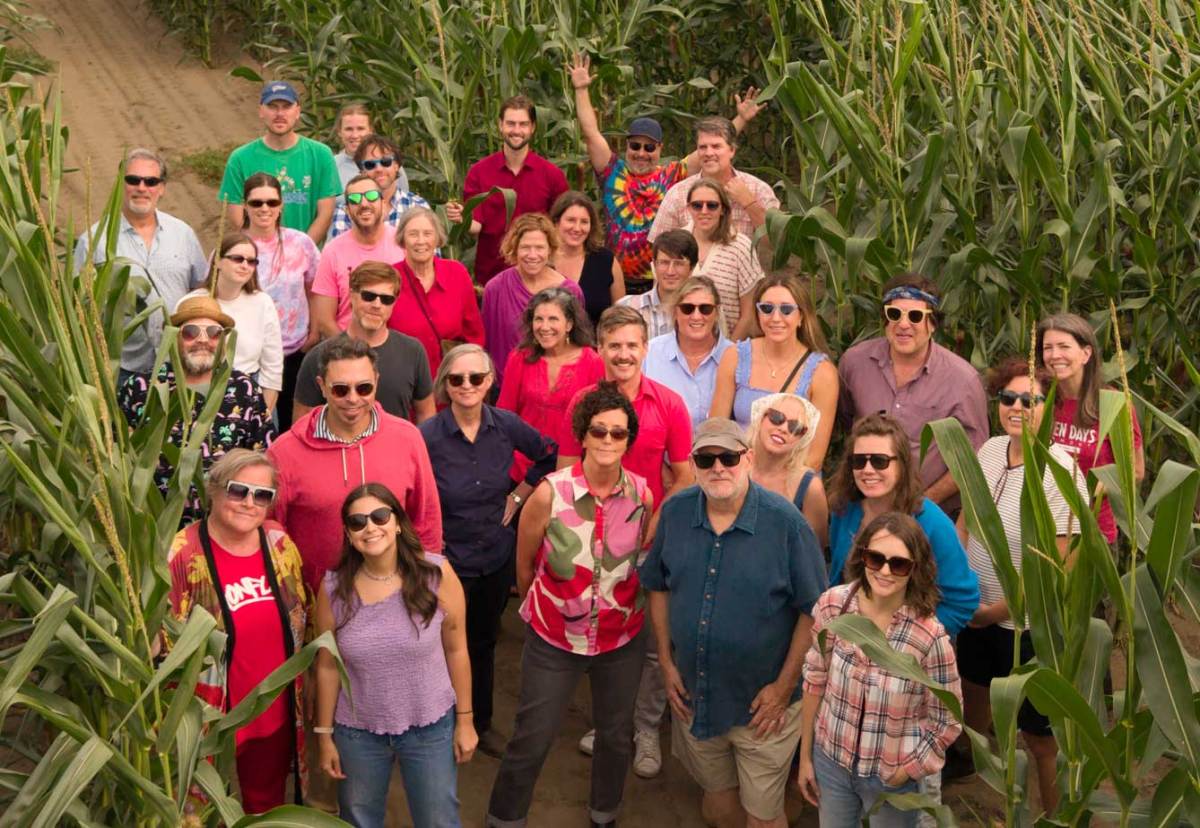
I don’t edit as many Seven Days articles as I used to. But one annual editorial project is still my baby: wrangling “Backstories” from our writing staff.
In 2017 I had the idea of asking our reporters to review their work from the past year with an eye toward personal parts that didn’t make it into the final version — for example, mishaps that might have occurred in the course of reporting.
It took some coaxing. A lot of reporters are shy, it turns out — unlike me.
But I think they’ve finally gotten the hang of it. This year — like the seven before it — I got to receive each backstory in my inbox, revel in its behind-the-scenes insights and watch the collective story grow into a compelling, almost 12,000-word read.
While writing is a mostly solo venture, conducting the individual voices of our reporting staff into a polished package is satisfying, akin to listening to a good chorus.
In the Backstories series, you’ll hear Derek Brouwer’s clever excuses for missing deadlines and how procrastinating actually helped him find the subjects of his cover story on senior scams. Visual art editor Alice Dodge meditates on taking over for her predecessor, Seven Days cofounder Pamela Polston. And Colin Flanders reveals that, while working on his cover story about the alarming rise in health care costs in Vermont, he underwent surgery himself.
Ideally, the backstories remind readers of some of our most important work of the year. Absent from the group, though, is Derek’s exposé on the horrendous living conditions in Decker Towers, the 11-story Burlington high-rise that houses low-income seniors and disabled adults.
When Derek followed up on a tip last winter, he found that dozens of people who didn’t live in the building were entering daily to buy or use drugs, often passing out in the stairwells. Decker’s 160 residents pleaded with city officials and the housing authority that runs the building for more security. In desperation, a group of them began to arm themselves with knives and stun guns to patrol the hallways on their own.
When I asked Derek for an end-of-year backstory about it, he said he’d put everything into “The Fight for Decker Towers,” published on February 14. Whatever personal material was left — how he and photographer James Buck earned the trust of the residents and spent some very uncomfortable days and nights observing the place — he felt I had covered in this column at the time.
That’s an unfortunate effect of my weekly note to readers. But it’s worth cannibalizing year-end material to explain, every seven days, who we are and what it takes to publish this newspaper.
One thing we always need? Money: to pay the writers, editors, proofreaders, designers, sales staff, video journalist, digital team, health insurance, printer, landlord, etc. Most of it still comes from the businesses that advertise with us. I suspect that’s not just because we deliver results, but also because they understand how Seven Days connects our community. Our 2024 advertisers were listed in last week’s edition. Patronize them, please; we are all in this together.
Increasingly, too, we are counting on readers to pitch in to support the paper. The income from our generous Super Readers, whose names appear on page 30 of this issue, has almost doubled this year, supplying weekly revenue we can rely on to fund everything we do, from comprehensive event listings to enterprising journalism.
Major donors and foundations provided financial support in 2024 through our fiscal sponsors: Journalism Funding Partners and the GroundTruth Project, the administrative arm of the Report for America program. They’ve enabled our employee-owned business to qualify for philanthropic dollars to fund investigative journalism, rural reporting, arts and culture coverage, and our youth civics project, the Good Citizen Challenge. If you’re interested in making a tax-deductible donation of $2,000 or more to any of these causes, please get in touch with deputy publisher Cathy Resmer at cathy@sevendaysvt.com.
Cathy also collects the kind notes people send in with their checks and puts them up around the office to remind us that people actually read what we write. These heartfelt messages inspire us to “Press On,” as our bumper stickers say. The accompanying “by-the-numbers” sidebar offers some offbeat measures of how we’re doing.
Enjoy this year-end double issue, which also contains a roundup of memorable images from the year and “Life Stories,” our annual collection of reported obituaries of some noteworthy Vermonters who died in 2024. The next Seven Days hits the streets on January 8, 2025.
Seven Days, One Year
2024 by the Numbers*
10,754
Listings for concerts, art shows, talks and other events — each one painstakingly crafted by our writers
464
Signed, verified, published letters to the editor written by Vermonters of all political persuasions
1,892
Super Reader donors
1,163
Advertisers
1,315
Activities completed by kids in Seven Days’ summer Good Citizen Challenge
228
Food features, reviews and news
119
Reviews of local albums
79
Visual art reviews and features
26
“Stuck in Vermont” episodes shot this year. The most popular, “Living Sustainably,” documents Eva Sollberger’s visit to the Jericho homestead of Birch Hill Sugarworks owners Ann Gnagey and Tom Baribault. Her 723rd video story, it garnered 80,000+ views.
28
Number of first-place awards Seven Days won in regional and national journalism contests
1,200+
Postings on Seven Days Jobs
70
Local gifts featured in Seven Days‘ 2024 Holiday Gift Guide
17
Guest appearances by Seven Days writers and editors in local schools and colleges
184
Comments on the New York Times article about Seven Days — before the moderators shut them off. See “Dating App Fatigue? In Vermont, Personal Ads Still Thrive,” published on November 25, 2024.
*And counting!
Related Stories


The Fight for Decker Towers: Drug Users and Homeless People Have Overrun a Low-Income High-Rise. Residents Are Gearing Up to Evict Them.
This article appears in Dec 25, 2024 – Jan 7, 2025.

Got something to say?
Send a letter to the editor and we'll publish your feedback in print!