SILO Distillery’s Vermaro is infused with 14 botanicals, but the number was more coincidence than a deliberate ode to the 14th state to join the Union. It’s just what tasted best.
The bittersweet liqueur distilled from local corn and sweetened with maple syrup was ahead of its time when Erin Bell and then-head distiller Chris Maggiolo developed it in 2018. Amaro as a category was just taking off in Vermont, and nobody else was making a local version — it almost exclusively came from Italy.

There still aren’t a ton of Vermont-made amari, but after a hiatus, Vermaro is back in the tasting room and around the state. In fact, a whole “starter pack” of SILO Distillery products — the flagship vodka, as well as gin, lavender vodka, cucumber vodka, maple whiskey and the Vermaro — returned to select 802 Spirits stores starting the first week of March. It’s all part of the Windsor business’ relaunch, with Bell now adding “owner” to her old title of “distiller.”
Bell, 41, had a hiatus of her own. She had worked at SILO from 2013 to 2020, but when she and her father bought the distillery’s assets last September, she’d been away from the business for five years. During that time, she ran a furniture biz and built 12 bars around Vermont.
SILO hadn’t closed, but its statewide presence had dwindled as its founders spent a year looking to sell. When Bell took over, she had to reapply for permits to make and sell booze. No product could go out while she waited, but it gave her time to redo the bar ahead of the tasting room’s holiday season reopening and this month’s 802 Spirits relaunch.
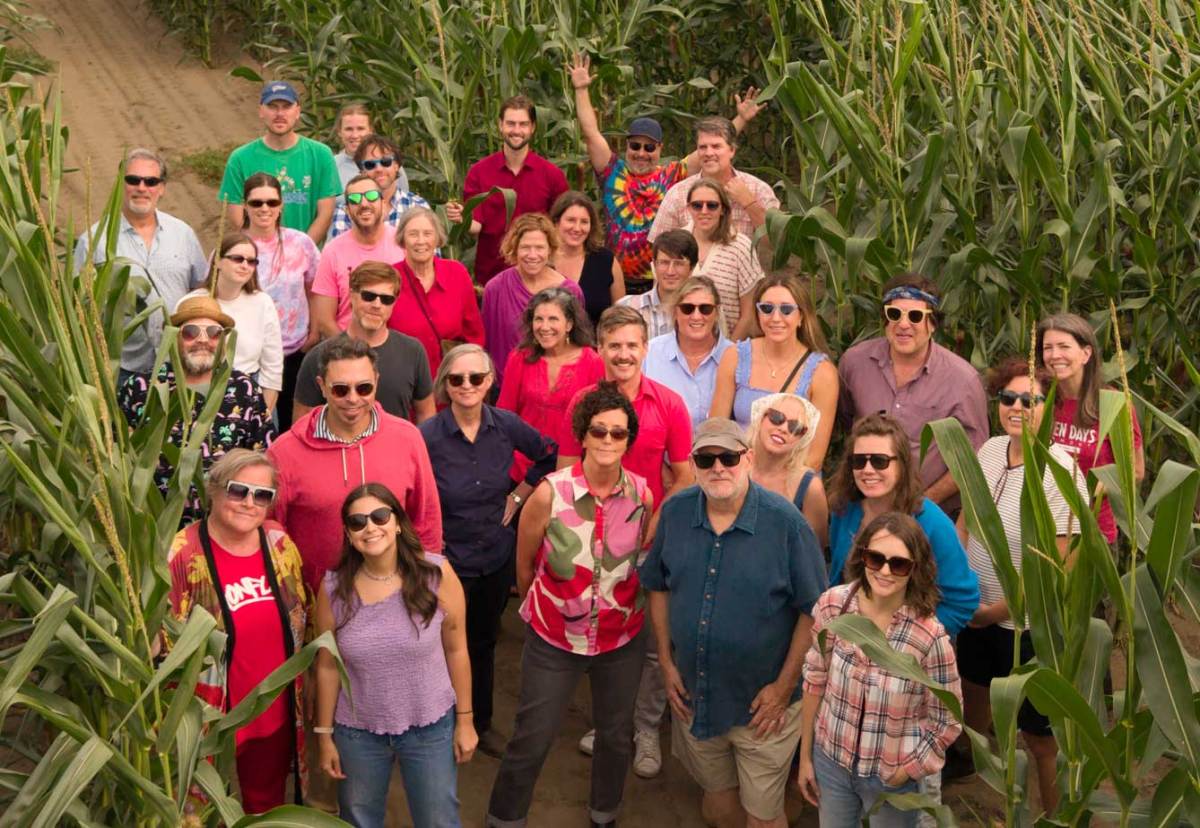
Bell is clear that the new version — with her all-women team — is one that aligns with her values.
“SILO has the same old agricultural-based flavors and experimentation, with small-batch, interesting stuff,” Bell said. “That’s what we make. But I want community to be what we do.”
A dollar from every bottle that leaves the distillery goes to a local organization listed on its label. A retail section offers bar supplies only from woman-owned, Vermont-owned, LGBTQ-owned and BIPOC-owned businesses. The team minimizes waste in creative ways, such as reusing mash from the distillation process to make doughnuts for the tasting room, located in a big red barn.
That tasting room — and its comfy upstairs lounge — is available for local groups to use, Bell said. It’s an inclusive space with queer flags hanging above the bar and an extensive nonalcoholic menu on offer alongside SILO’s cocktails. Kids are welcome, and there are juice boxes.
“We have what we call an ‘Open Barn-Door Policy,’” she said.

It’s all very intentional, though Bell’s path to owning the distillery is full of happenstance. When she originally joined SILO, she was on the operations and marketing side of the biz. The early days of craft distilling were heavy on the storytelling, especially for a “grain-to-glass” company that needed to explain its process to customers. As a result, “I accidentally learned how to do it,” Bell said of becoming a distiller herself.
Good thing she did: Six months later, SILO’s first distiller left with no notice. When Bell came home from a weekend at a Pride celebration in Chicago, she had three freshly fermented mashes waiting to be distilled.
“I was terrible at science in high school, so I shouldn’t be good at this,” she joked. “But I was up for it. And when I find something interesting, I just submerge myself in it.”
Now, Bell is up to her elbows in payroll and production software on top of distilling. But she and her team aren’t just bringing back the hits. They’ve got plans for new products, including low-alcohol, ready-to-drink amaro-and-soda cocktails and single-press ciders with a feminist twist.
Bell met with Seven Days over Zoom to talk about her version of SILO and more happy accidents.
What are the challenges involved with reviving an existing spirits business?
When you launch a craft brand from the start, you pick one or two pet projects, and you just go for it. People are familiar with SILO, from the lavender vodka to the maple whiskey to the Vermaro. So they’re like, “When are you bringing it back?”
I haven’t been able to do as much of the creative stuff as I want. I’ve got a long-ass note in my notes app of all the things I want to play with.
But my front-of-house manager, Jaime [Ciccarelli], has been here forever. My field specialist, Mary [Shappell] has been here forever. We got Nicole [Leibon, SILO’s former cidermaker] back. It’s a big crew of women who are really kicking butt.
What’s happening on the cider side of the biz?
Nicole is my cider wizard. We had a really successful semi-dry cider that we produced with Moore’s Orchard in North Pomfret. But now we’re playing around with small-batch ciders: single press, single-apple varietal, no added sugar.
We accidentally stumbled upon this word that I’d never heard before: philogyny. It’s the antonym to misogyny — the love and appreciation of women and their work.
So that’s what this line will be: Philogyny. The first one, which we’re hoping to release by late April, is going to be called the Golden Rule, because it’s made with golden russets — a very palatable apple for unpalatable ideas.
What do you want to make more of in the future?
I want to be the brand that makes what everybody else is looking for. That’s how the Vermaro came about. We found that there was an interest among bartenders for a local product. They were like, “We have all these base spirits that we can mix with these esoteric or trendy things. But nobody’s making the trendy thing in-state.”
There’s a lot of people out there who make what they want to make. I want to make what you want me to make, because that’s way more interesting. And if I only made what I want to drink, I’d just make tequila.
This interview was edited for clarity and length.
The original print version of this article was headlined “Opening the Barn Door | Three questions for SILO Distillery’s new owner-distiller, Erin Bell”


This article appears in March 25 • 2026.

Got something to say?
Send a letter to the editor and we'll publish your feedback in print!